Low-altitude aircraft are precision-built, lightweight and battery-powered, and highly sensitive to impact, static, temperature/humidity and transport conditions; traditional packaging struggles to balance protection and turnover efficiency.
Composite fuselages and rotor structures are highly sensitive to impact and vibration; a knock can cause structural damage.
Flight controllers, batteries and electronic control units are prone to electrostatic damage and require anti-static shielding and moisture protection throughout.
Total weight and volume directly drive transport cost; packaging must be both lightweight and strong.
Multi-rotor and irregular fuselages have scattered centers of gravity and dense interfaces, making firm support and even loading difficult.
Power batteries are classified as dangerous goods, subject to strict transport rules and requiring dedicated, compliant packaging.
Export and aviation regulations vary widely; packaging must be localized and compliant.
From requirement discussion to logistics delivery, a six-step standardized process ensures precise execution and full traceability.


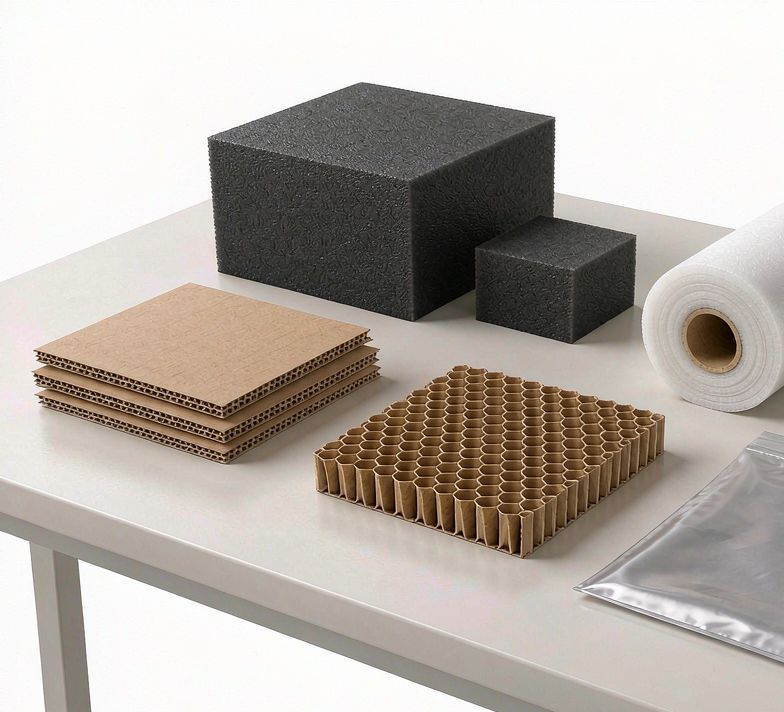
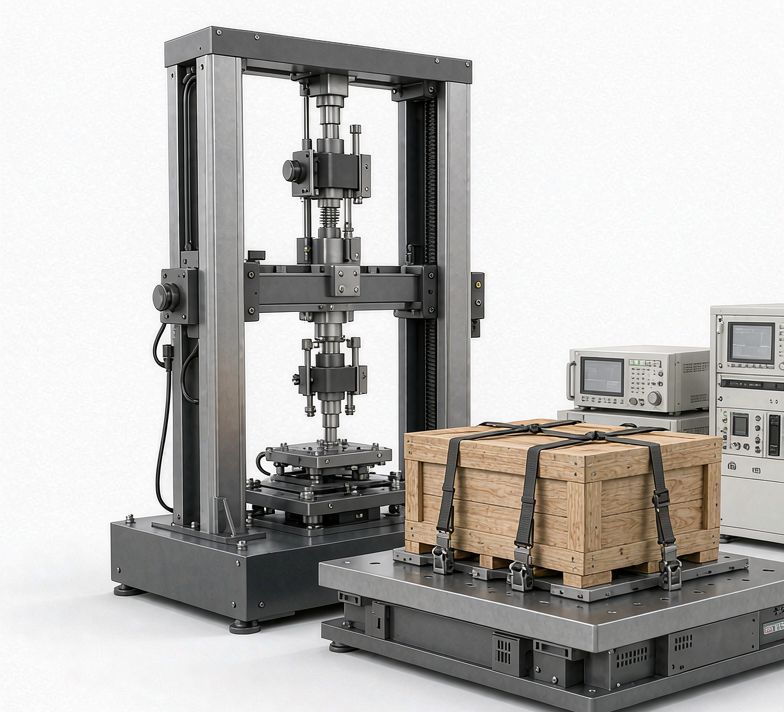
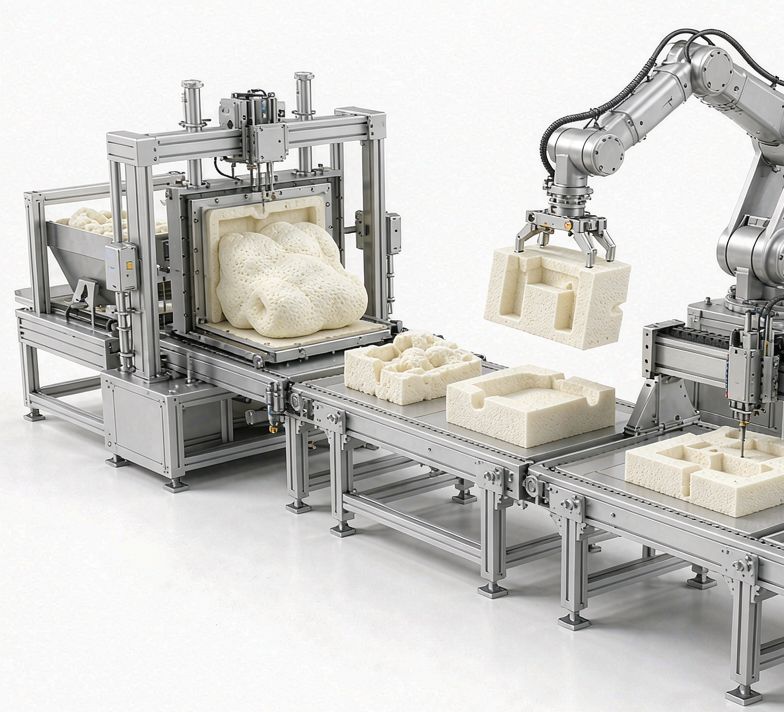

Six protective layers, multiple base materials and several standard tests deliver a complete low-altitude aircraft packaging solution.
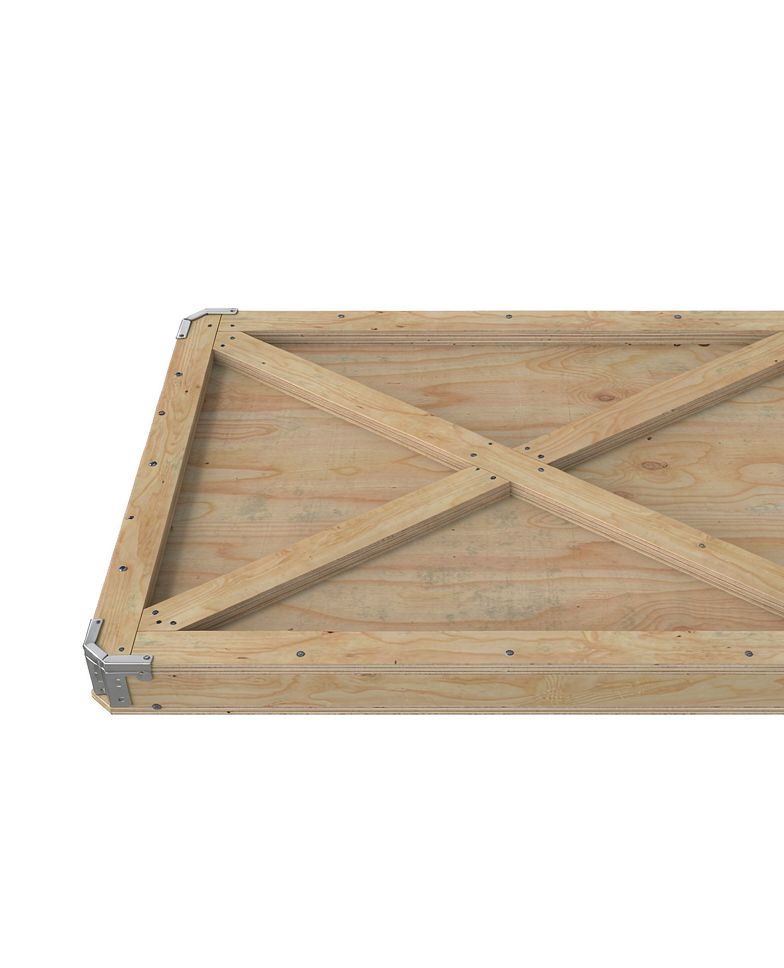
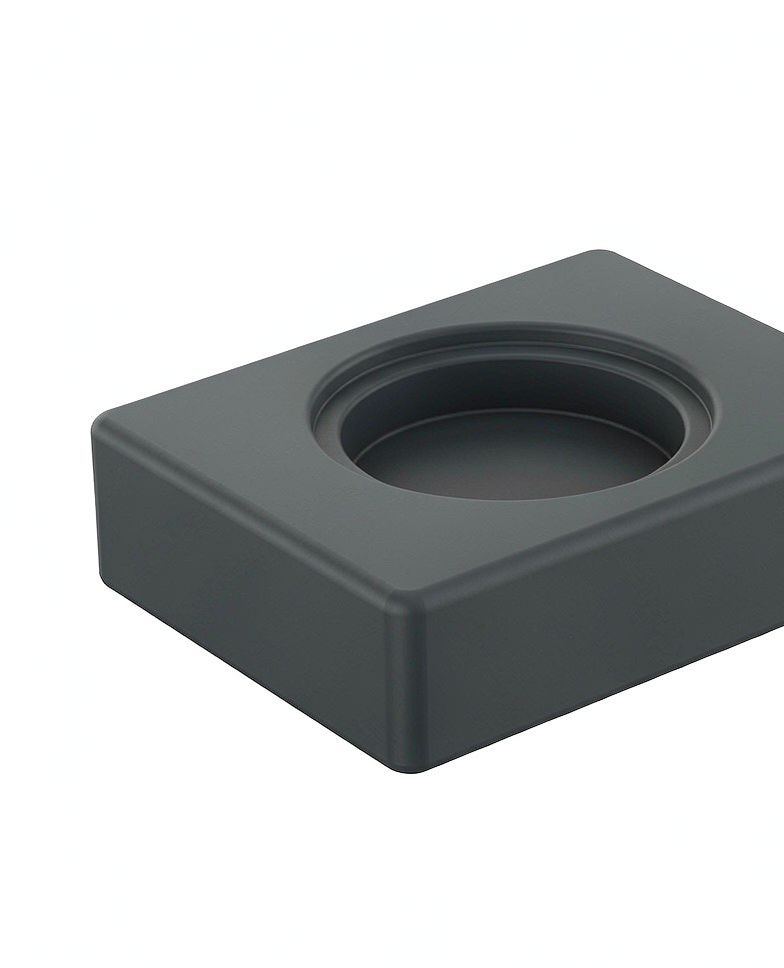
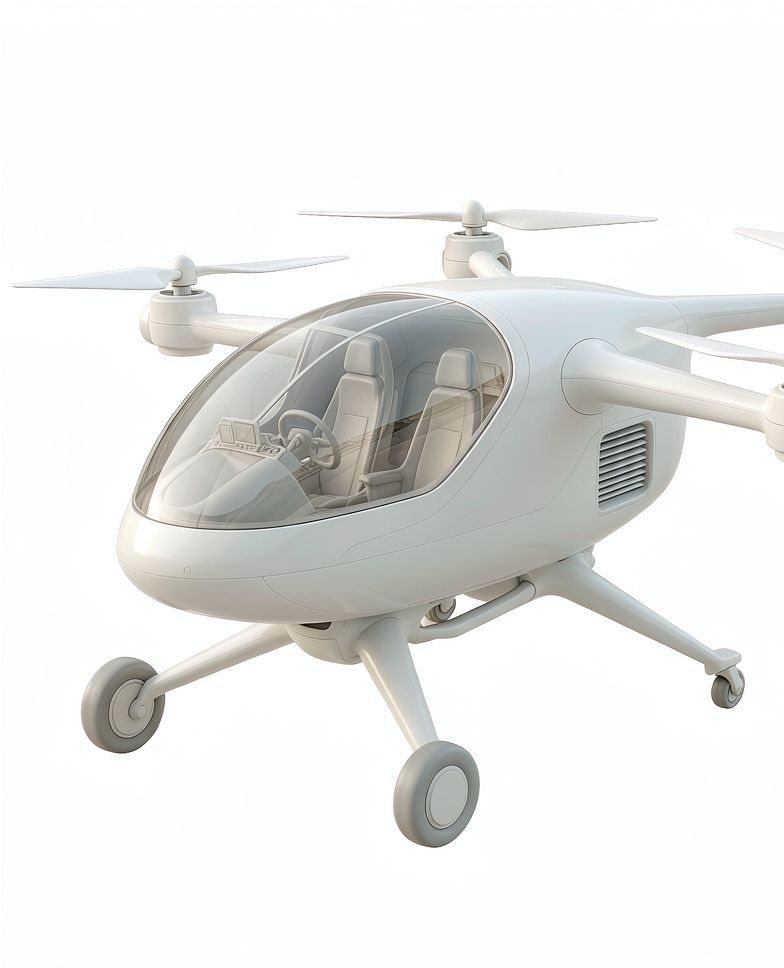
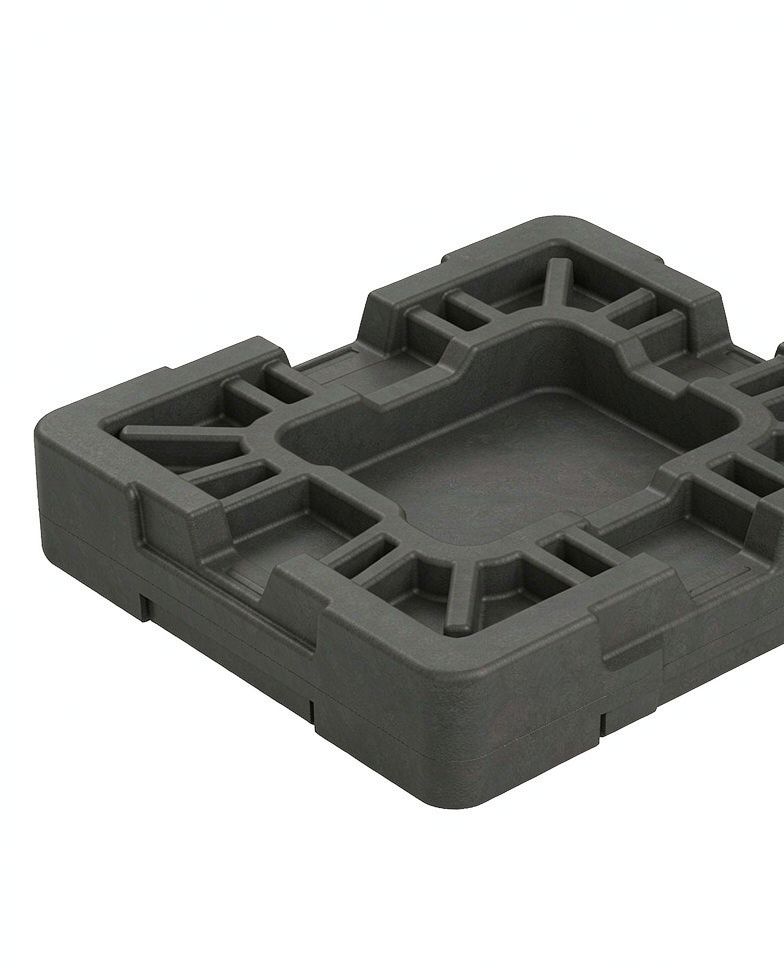
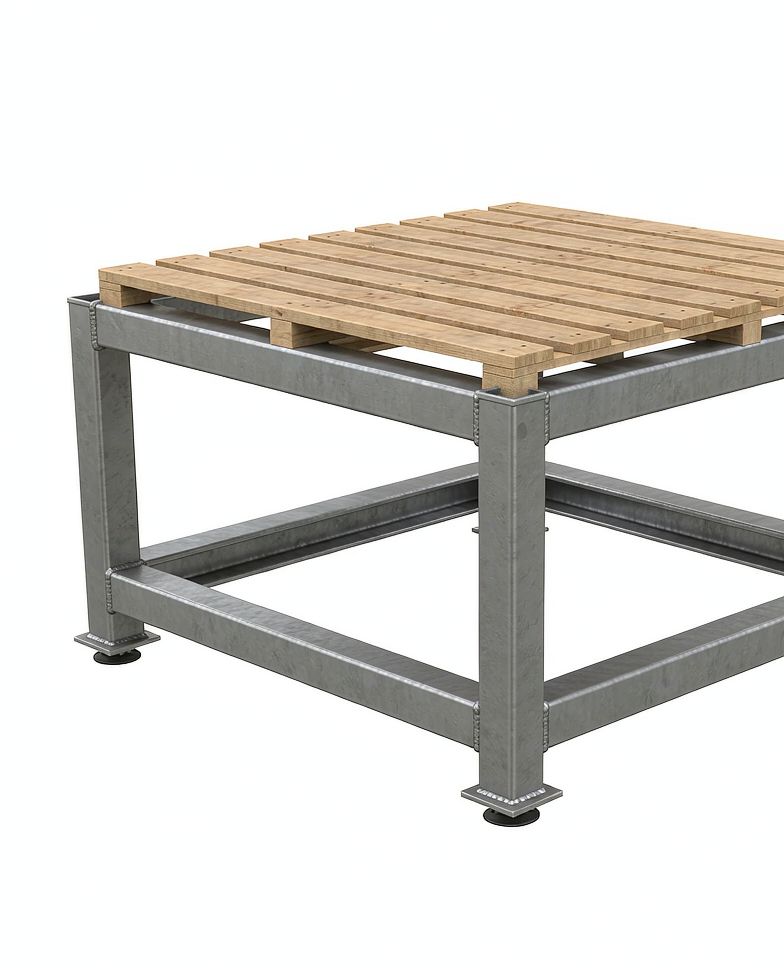
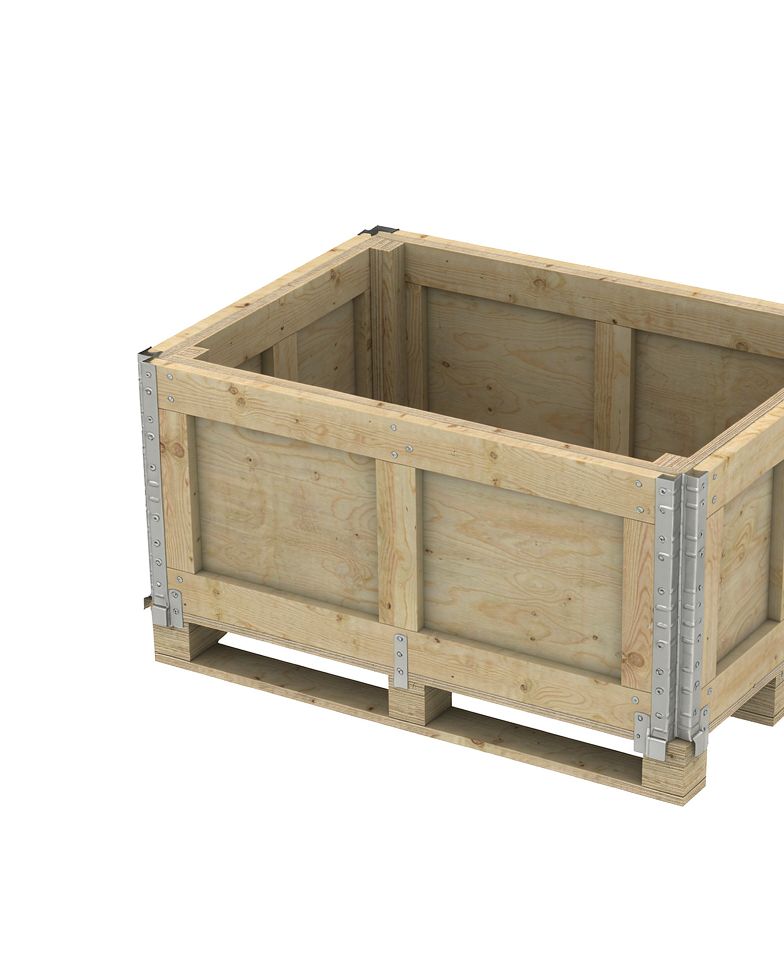
Item to pack · Complete unit
Multi-layer cushioning fully protects the aircraft and its precision components.
Optimized materials and structure reduce packaging weight and transport cost.
Standardized dimensions for easy reuse, improving packaging efficiency.
Recyclable materials, RoHS / REACH compliant.
Standardized packaging adapted to global transport requirements, with localized services.
QR code / electronic tag management for full traceability of packaging usage.