Precision robots are highly sensitive to impact, vibration, static and temperature/humidity; traditional packaging struggles to balance protection, cost and delivery efficiency.
Joints, sensors and control units are highly sensitive to impact and vibration; even a slight knock can affect accuracy and service life.
Vibration, drops and temperature/humidity swings during sea, air and road transport are hard to control end to end, creating many risk points.
Electronic components are prone to electrostatic damage and need anti-static shielding throughout to avoid hidden damage.
Multi-axis arms have complex structures and scattered centers of gravity, making firm support and even force distribution difficult.
Traditional wooden crates are bulky with long lead times, keeping logistics and storage costs high and delivery slow.
Transport and environmental rules vary widely across countries; packaging must be localized to meet export compliance.
From requirements to delivery, a six-step standardized process ensures precise execution and full traceability.


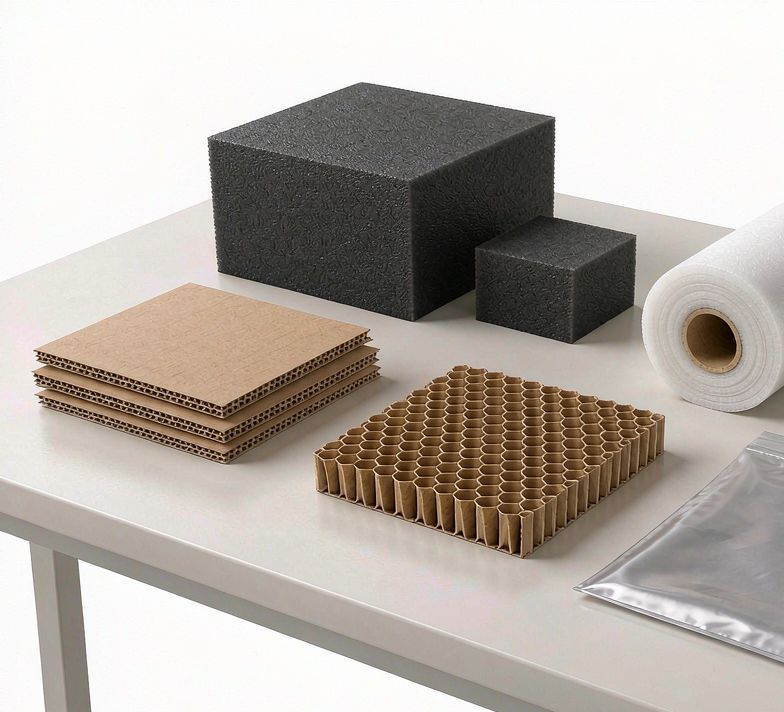
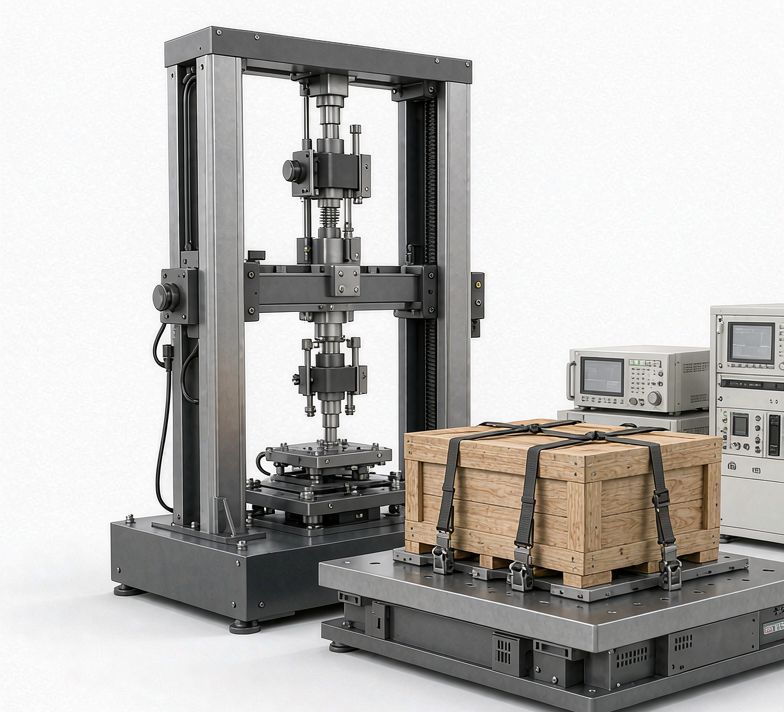
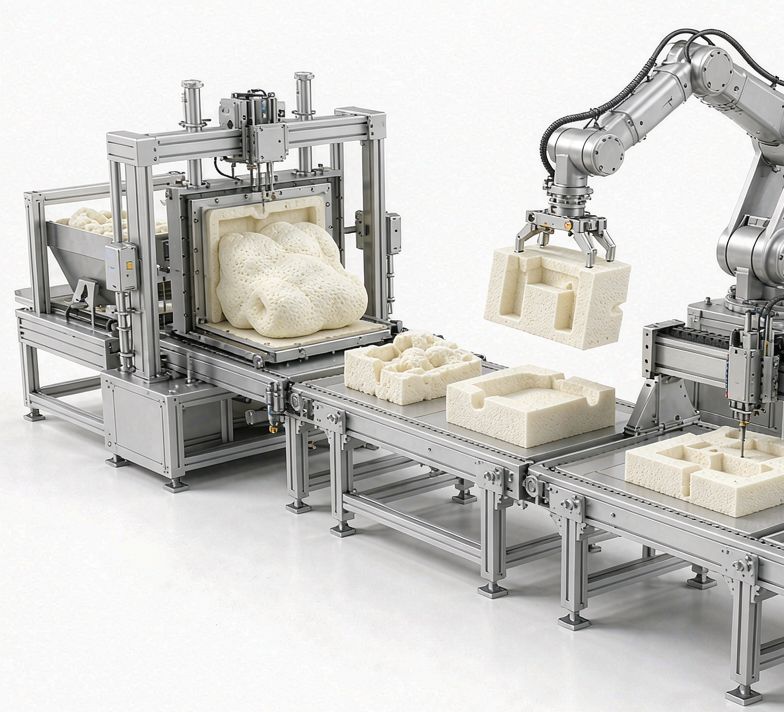

Six protective layers guard the robot step by step — from the outer crate and cushioning to the load-bearing base — delivering a complete packaging solution.






Item to pack · Folded state